Fitting a Horse for a Sale: Preparation Tips for Success
Selling a horse at auction is about more than just showing up on sale day. Buyers are looking for horses that are healthy, well-presented, and ready to step into their new homes. Taking the time to prepare your horse properly can make a big difference in both the final sale price and the kind of home they find.
Here are some key steps to fitting a horse for a sale:
1. Nutrition and Conditioning
A horse that is well-fed and in good body condition will always catch a buyer’s eye.
- Balanced diet: In the weeks leading up to the sale, make sure your horse is on a quality feed program that meets their age and workload. Grain, supplements, and high-quality hay should be provided consistently.
- Shiny coat, healthy muscle: Omega-3 supplements or coat conditioners can add bloom to their hair. Regular grooming helps bring out natural shine and highlights condition. Ultra Cruz is an official sponsor of the Legend Buttes Sale. Click Here to visit their website to find all of the supplements you need!
- Avoid drastic changes: Don’t suddenly increase grain or workload right before the sale, as this can lead to stress, colic, or behavior issues.
2. Hoof Care and Trimming
Buyers notice feet first. Horses that stand on sound, clean, well-trimmed hooves make a strong impression.
- Schedule a farrier visit: Ideally, trim or shoe your horse about 10-12 days before the sale. This ensures they look neat but aren’t tender-footed from a fresh trim.
- Front shoes recommended: Sale grounds often have concrete or rock parking lots, front shoes can help protect hooves and keep the horse comfortable.
- Clean and polished: Hooves should be picked out, scrubbed, and oiled before preview and sale time.
3. Veterinary Care: Vaccinations and Deworming
Nothing deters buyers faster than a horse that appears unhealthy. Staying current on routine veterinary care is essential.
- Vaccinations: Core vaccines (tetanus, West Nile, influenza, and EEE/WEE) should be up to date well before the sale. Buyers want reassurance their new horse is protected.
- Deworming: Administer a dewormer a couple of weeks before the sale. A horse with a healthy digestive system will look better and perform better.
- Coggins and Health Papers: The USDA require a current negative Coggins and state health certificate for all horses going through a sale regardless of if the horse is in-state or out of state. Have these documents ready and organized in advance.
4. Dental, Chiropractic, and General Maintenance
Little extras can go a long way in making a horse attractive to bidders.
- Dental work: Float teeth if needed so the horse can carry a bit comfortably and maintain weight. Started at 2 years of age, horses should have annual or bi-annual dental work.
- Chiropractic or bodywork: Consider an adjustment, massage, or other therapies to keep the horse moving comfortably.
- Parasite and fly control: Regular grooming, fly spray, and clean stalls will reduce irritation and keep them looking their best.
5. Handling and Manners
A well-mannered horse makes buyers feel confident.
- Practice sale-day scenarios: Lead your horse in and out of trailers, through gates, and in different arenas so they’re prepared for new environments.
- Ground manners: Horses should stand tied, pick up feet, and lead easily. Buyers notice these small things.
- Preview prep: If the sale includes a riding preview, only show what the horse knows. Confidence and honesty sell better than over-exaggerated skills.
6. Presentation on Sale Day
The way your horse looks on sale day directly impacts their value.
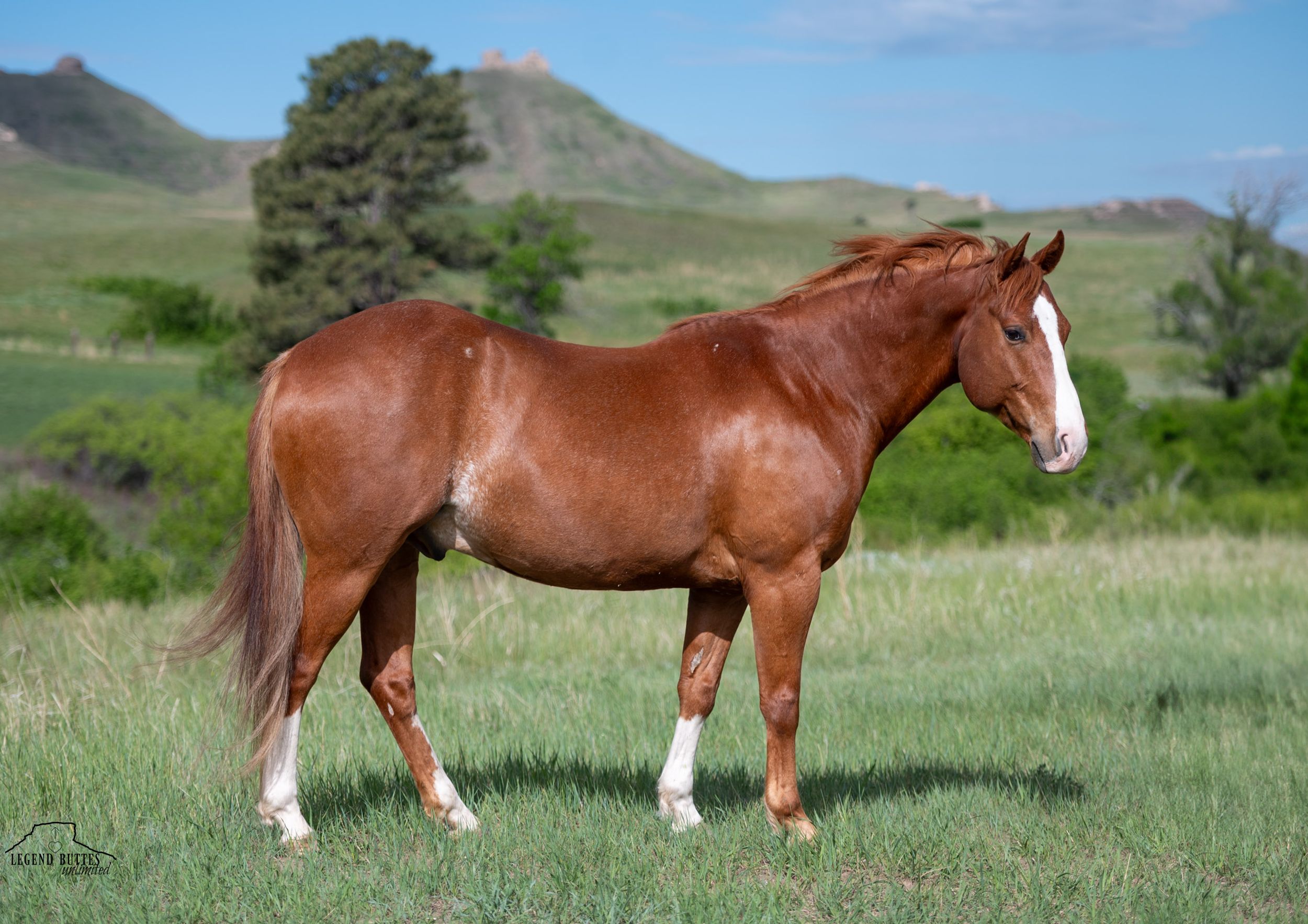
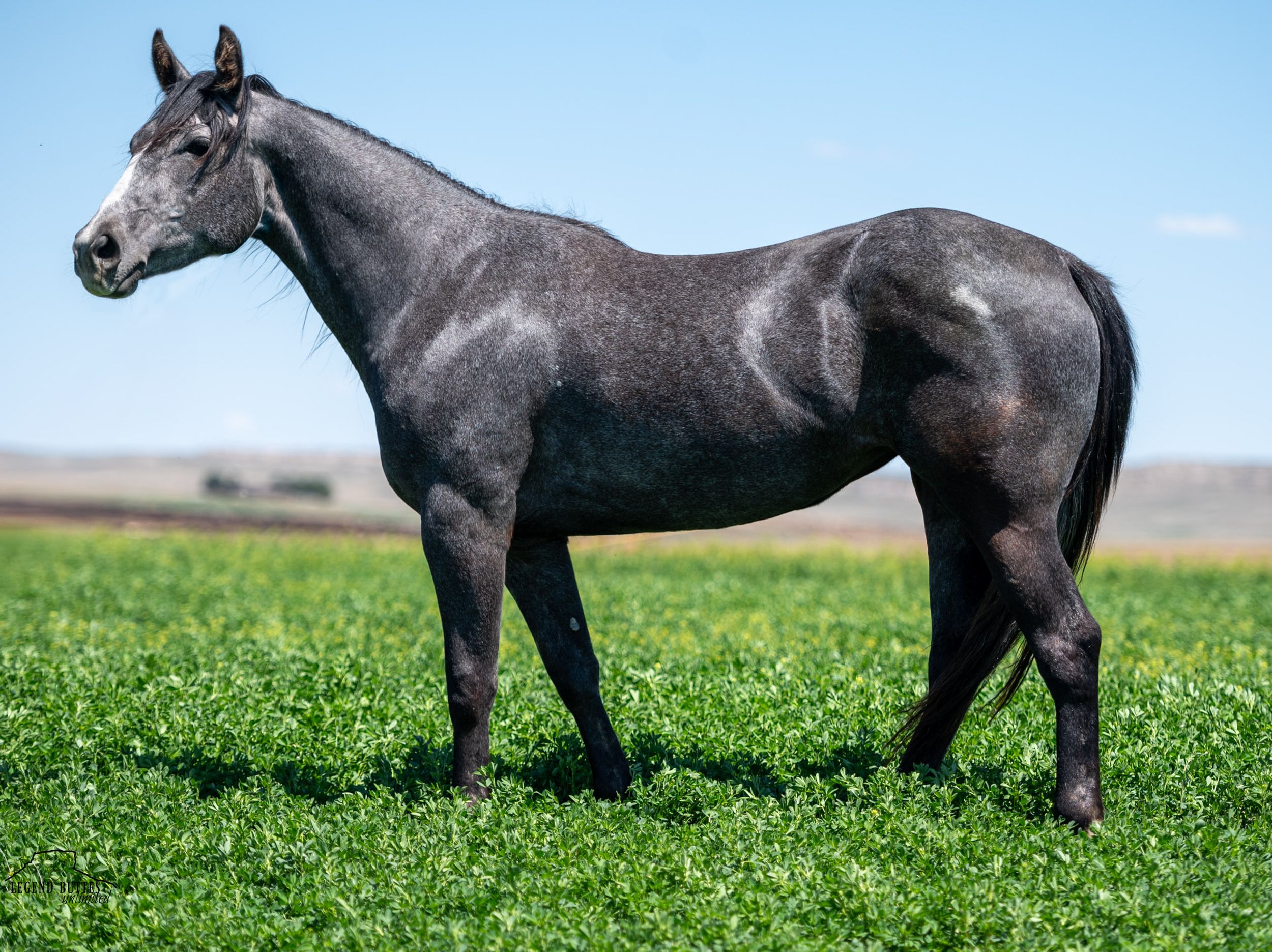
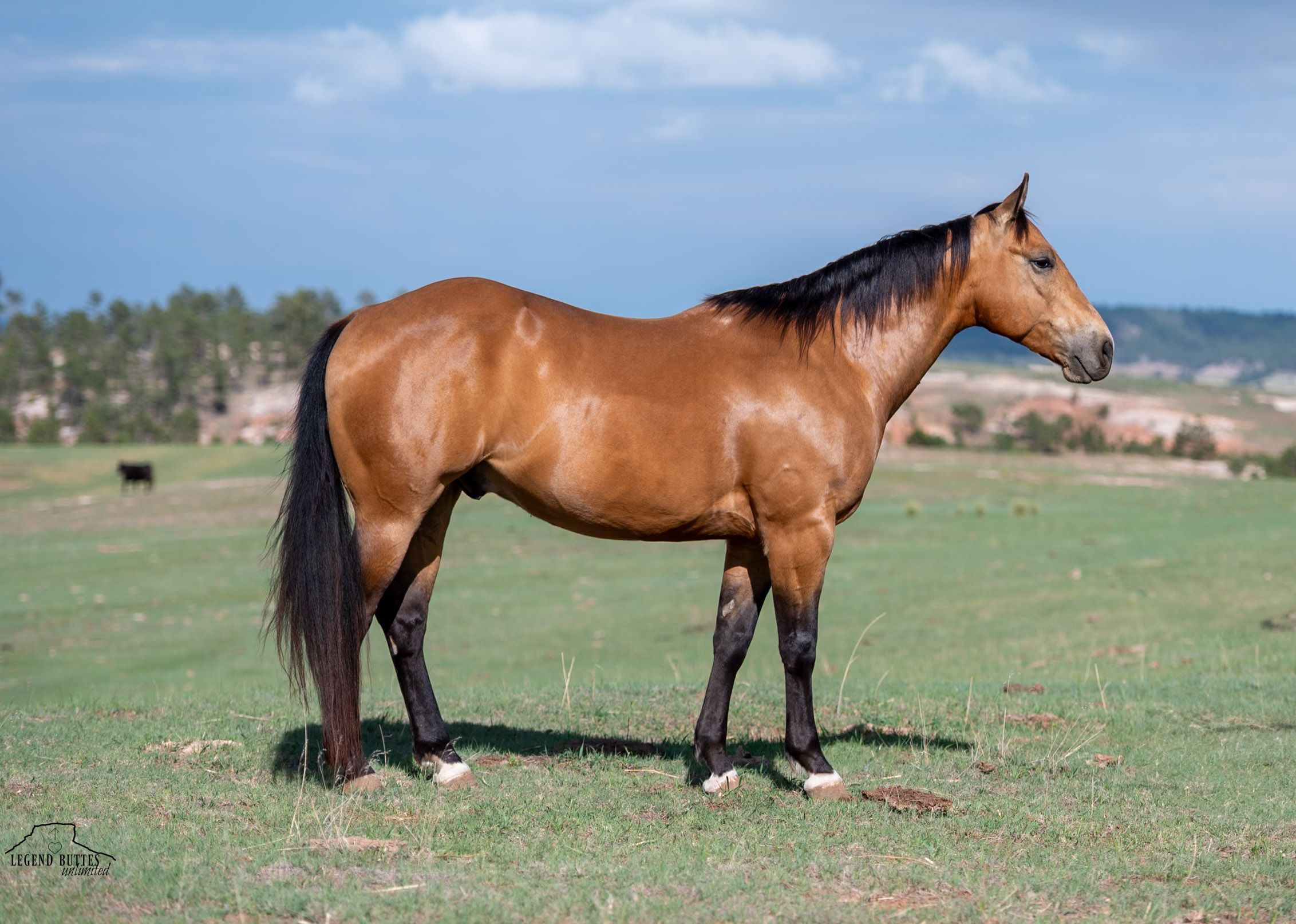
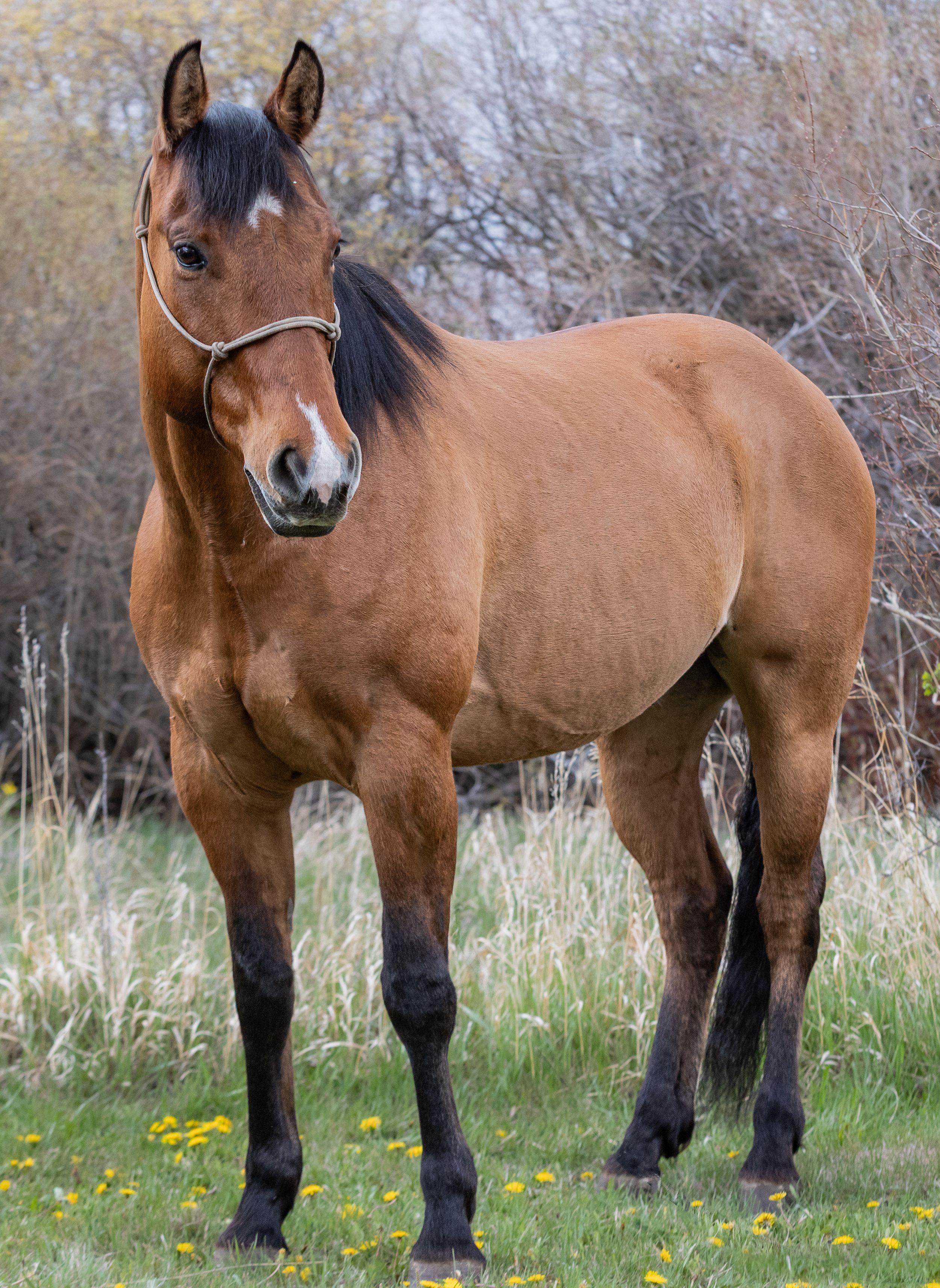
- Grooming: Bathe, clip whiskers, ears, and bridle path. A clean, shiny horse stands out in the ring.
- Tack and attire: Use clean, well-fitting tack during previews. Present yourself in neat western attire as buyers associate professionalism with trust.
- Keep them calm: Allow plenty of time for exercise and handling before the sale so they walk in relaxed and ready.
- Offer hay and water frequently: Having fresh water and hay bags available for your horse throughout the day will keep them happy and stress-free as well as prevent them from looking gaunt in the sale ring.
Final Thoughts
Preparing a horse for sale is about respect—for the buyer, for your horse, and for the industry. The effort you put into feeding, trimming, vaccinating, deworming, and polishing your horse reflects your integrity as a seller. A horse that arrives healthy, well-groomed, and well-mannered will not only bring stronger bids but also be more likely to land in the right home.
At the end of the day, fitting a horse for a sale is about showcasing them at their very best. With the right preparation, you give both your horse and their new owner the best possible start.